
Business cards or digital?
The practice of exchanging business cards still holds significance in many professional settings, especially in face-to-face meetings and networking events. While digital alternatives such as exchanging contact information through smartphones or email have gained popularity, business cards remain a tangible and effective way to share contact details quickly and professionally.
However, the approach might differ based on cultural norms, industry practices, and personal preferences. In some regions or industries, the exchange of physical business cards is considered a customary and polite way to initiate contact and maintain professional connections. Business cards can also serve as a physical reminder of the meeting and can include essential information beyond contact details, like company affiliation, job title, and branding.
Nevertheless, digital alternatives like exchanging contact information via smartphones, QR codes, or email have become increasingly prevalent due to their convenience and efficiency. These methods allow for immediate digital storage and can easily integrate with contact management systems or CRM software.
The exchange of business cards remains a dominant and traditional practice particularly in parts of Asia and the Middle East, where it holds significant cultural and professional importance. Some of these regions include:
Japan: Exchanging business cards (known as "meishi") is a highly ritualized and essential part of business etiquette in Japan. As most business people know, it involves presenting and receiving cards with both hands, showing respect for the card and the person offering it.
South Korea: Similar to Japan, business card exchange is customary in South Korea and is often done with a bow as a sign of respect.
China: While digital communication is widely used in business, exchanging business cards is still customary, especially during initial meetings or when establishing new business relationships.
Middle Eastern countries: Countries in the Middle East, such as the United Arab Emirates and Saudi Arabia, often value the exchange of business cards as part of professional protocol and relationship-building.
In these regions, business cards are not just about sharing contact information but also symbolize respect, status, and the beginning of a professional relationship. However, despite these traditions, digital alternatives are increasingly accepted, especially in urban and more technologically advanced environments.
In many Western countries and other tech-savvy regions, while business cards are still exchanged, there's often less formality around their exchange. Digital alternatives like exchanging contact information via smartphones, email, or LinkedIn are widely accepted and frequently used. In these areas, both traditional and digital methods can coexist without breaking professional norms or etiquette.
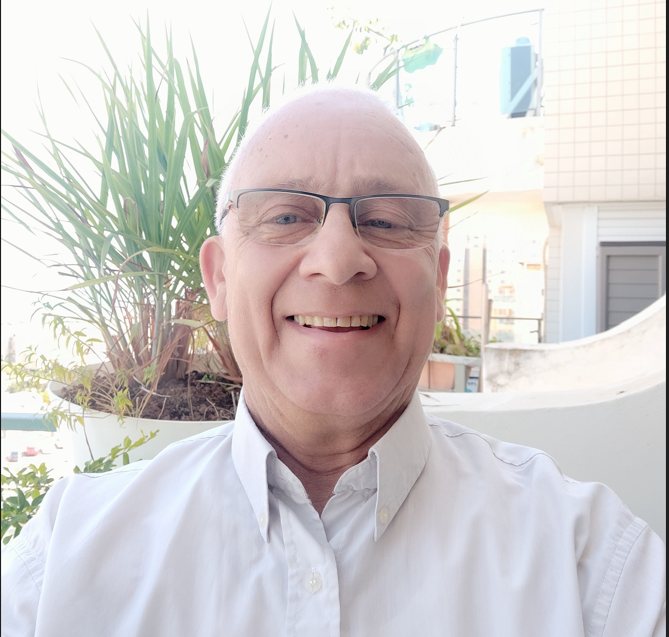
HEY, I’M LAURIE…
Hi I'm Laurie and I have over a decade of hands on management experience in international finance marketing and logistics, as well as 25 years as a business English mentor and consultant for both major local and multinational corporations.


JOIN MY MAILING LIST
Senior Mentor, Consultant and Coach in English for International Business to major national and global corporations.
+972-(0)54-5552476
Newsletter
Subscribe now to get updates.
Created with © systeme.io